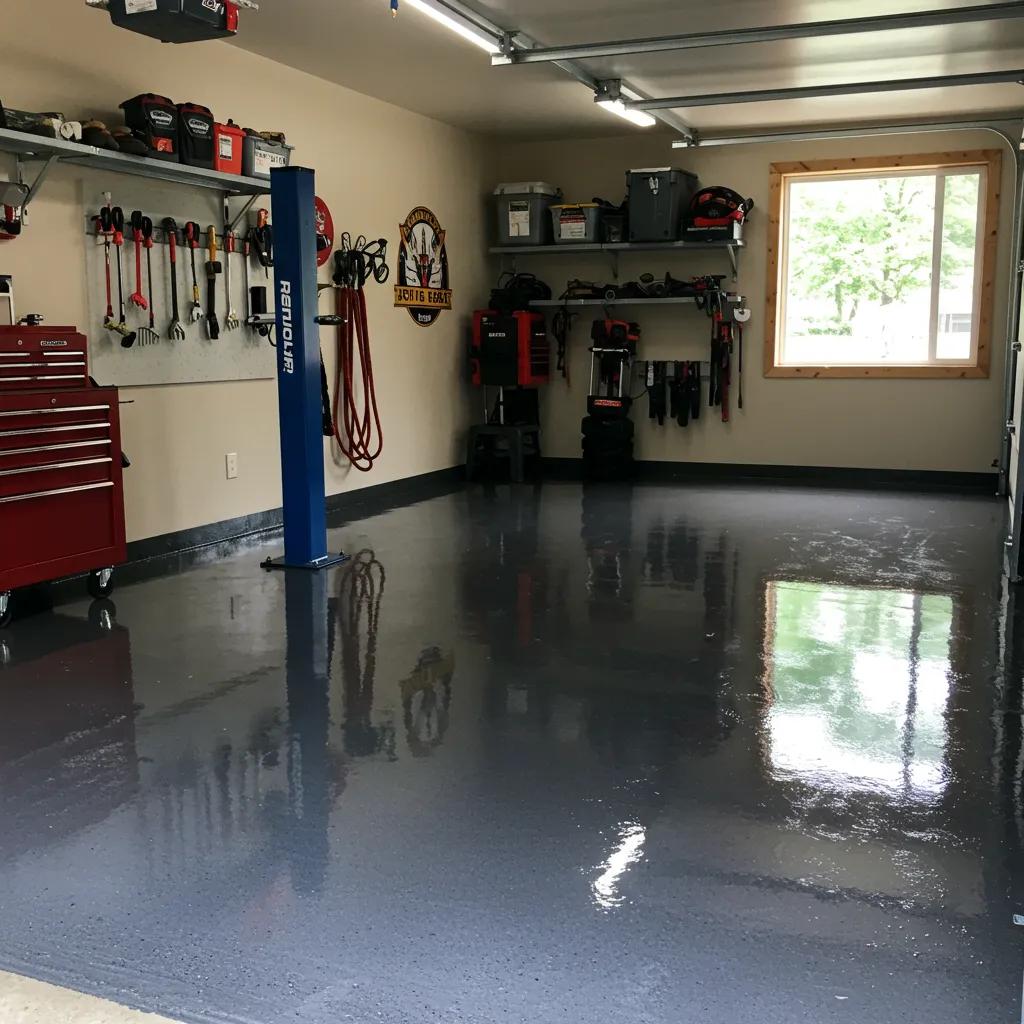
Best Garage Floor Coating Company in Rhode Island – See Why Homeowners Love Us
Garage floor coatings protect and beautify concrete by creating a durable, chemical- and abrasion-resistant surface that extends the life and usability of garage floors. In this guide, you’ll learn how different coating systems work, why material choice matters in Rhode Island’s seasonal and coastal climate, what to expect in cost and installation, and how coatings transform residential and commercial spaces. Many homeowners face oil stains, cracks, moisture migration, and UV exposure that accelerate concrete wear; the right coating system addresses those issues while improving safety and maintenance. This article walks through reasons to invest in a coated floor, compares epoxy, polyaspartic, polyurea, and rubber systems, breaks down cost drivers and financing options, explains the installation process step-by-step, and outlines how to request a free estimate in Rhode Island. Throughout, we weave practical local guidance and keyword-focused insights for readers searching for garage floor coating Rhode Island, “polyaspartic garage coating Rhode Island,” and related terms.
Why Choose Garage Floor Coatings in Rhode Island?
Garage floor coatings transform ordinary concrete into a protective surface that resists chemicals, abrasion, and UV damage while improving cleanliness and aesthetics. Coatings work by bonding to prepared concrete and forming multi-layer systems—primer, base coat, decorative broadcast, and topcoat—that distribute loads and shield the slab from moisture and contaminants. For Rhode Island homeowners, coatings also mitigate salt, freeze-thaw cycles, and seasonal moisture that otherwise shorten a concrete floor’s life. Choosing the right installer and materials reduces long-term maintenance and increases property appeal. The following bullets summarize the core homeowner benefits to inform decisions before selecting materials or contractors.
Garage floor coatings deliver clear homeowner benefits:
- Durability and protection: Coatings shield concrete from oils, chemicals, and abrasion that cause deterioration.
- Easier cleaning and maintenance: Smooth, sealed surfaces resist staining and simplify routine care.
- Improved safety and aesthetics: Slip-resistant topcoats and decorative finishes enhance usability and curb appeal.
These advantages set the stage for choosing materials and workmanship that match Rhode Island conditions and homeowner goals.
What Makes Our 8 Years of Local Expertise Unique?
Garage Floor Coatings brings local project experience that informs how crews approach preparation, material selection, and scheduling for Rhode Island properties. Technicians familiar with regional concrete issues—salt intrusion, moisture variability, and coastal UV—prioritize moisture testing, appropriate primers, and material choices that resist yellowing and salt exposure. Local expertise also means optimized scheduling to avoid finishing during wet or freezing windows and familiarity with common driveway-to-garage transitions and expansion joints. This hands-on knowledge results in fewer callbacks and more predictable outcomes for homeowners. Understanding these localized practices helps homeowners ask targeted questions during consultations and evaluate contractor proposals more effectively.
How Do Flexible Financing Options Make Garage Floor Coatings Affordable?
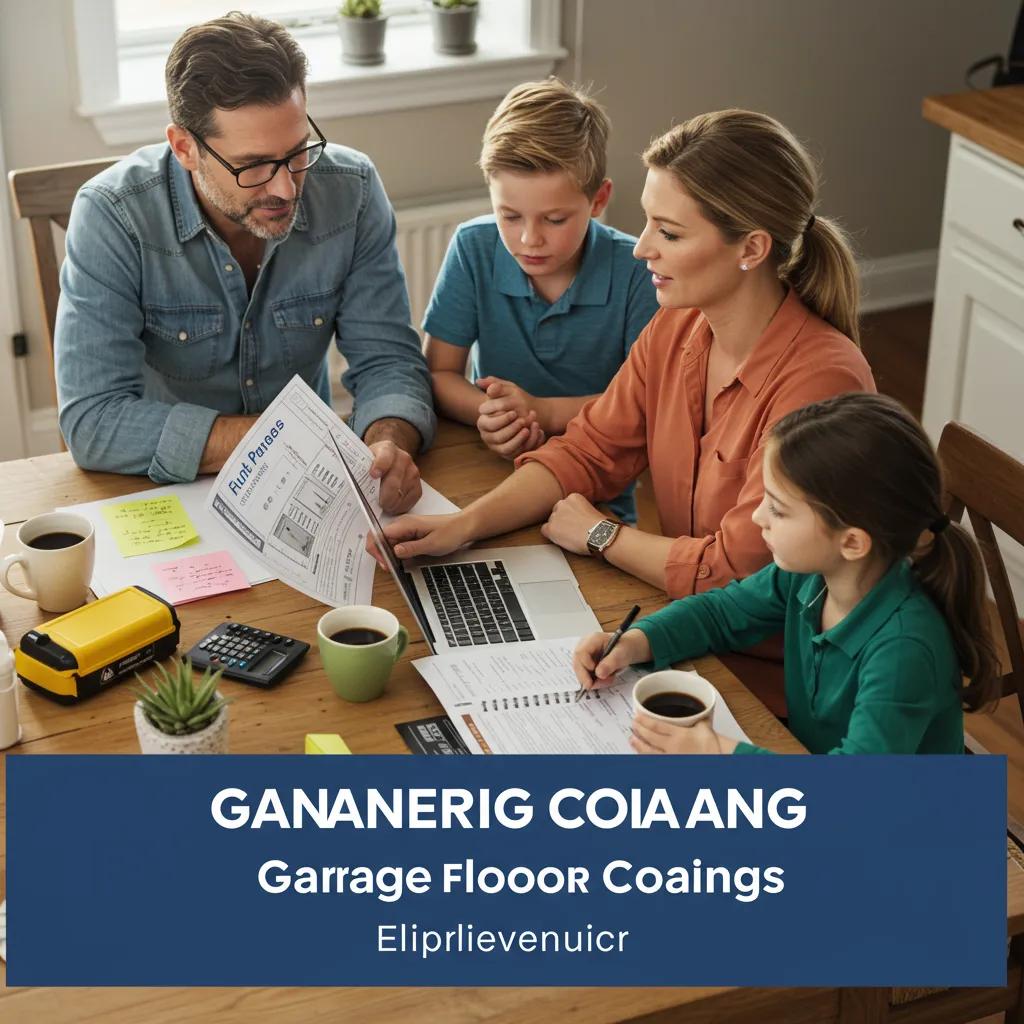
Financing options reduce the upfront barrier to professional coatings by spreading the investment into manageable monthly payments, enabling homeowners to begin work sooner without depleting savings. Flexible plans that advertise payments under $30 a month make higher-performance systems like polyaspartic or polyurea more accessible by aligning costs with monthly budgets. When evaluating financing, homeowners should compare term length, required down payment, and what’s included—surface prep, repairs, and warranty coverage—to understand true monthly value. Requesting financing information early in the quoting process clarifies affordability and helps homeowners choose a coating that balances performance and cash flow.
What Quality Standards Ensure Durable and Long-Lasting Garage Floors?
Durable coatings depend on strict surface preparation, proper product selection, and adherence to manufacturer specifications throughout application and curing. Key practices include mechanical profiling to achieve correct surface anchor patterns, moisture mapping to detect vapor drive, and the use of industry-grade primers and topcoats matched to the chosen resin system. Quality control measures—test patches, adhesion checks, and post-installation inspections—confirm each layer meets performance expectations and reduces the chance of delamination. For Rhode Island, attention to moisture and UV-resistant topcoats is especially important to safeguard long-term performance near coasts and in seasonal climates.
How Do Our Comprehensive Warranties Provide Peace of Mind?
Comprehensive warranties help transfer long-term risk away from homeowners by covering workmanship and material failures under defined conditions, which supports resale value and homeowner confidence. Typical warranty elements include protection against peeling, excessive wear, and delamination when installation followed prescribed prep and application methods. Warranties also encourage installers to follow manufacturer guidelines closely and to use proven materials that perform in local environments. When comparing proposals, ask what the warranty covers, how claims are handled, and whether maintenance requirements or exclusions apply to ensure realistic expectations about long-term coverage.
What Are the Best Garage Floor Coating Options in Rhode Island?
Selecting the best coating type involves balancing durability, UV resistance, curing time, cost, and intended use—factors that interact with Rhode Island’s coastal climate and seasonal schedules. Each coating family has distinct strengths: epoxy offers decorative flexibility, polyaspartic provides fast returns to service and UV stability, polyurea delivers heavy-duty durability, and rubber flooring adds comfort and impact absorption. The table below summarizes these trade-offs to help homeowners decide which system best matches their priorities and environmental constraints. After the objective comparison, we note how Garage Floor Coatings supports each material choice with tailored services and local expertise.
| Coating Type | Key Attributes | Best Use-Cases |
|---|---|---|
| Epoxy | Good abrasion resistance; decorative flake options; longer cure; lower upfront cost | Budget-conscious residential projects with decorative goals |
| Polyaspartic | Fast cure; strong UV resistance; minimal yellowing; higher upfront cost | Projects needing quick turnaround and outdoor-exposed garages |
| Polyurea | Exceptional chemical and abrasion resistance; flexible membrane-like performance | Heavy-duty commercial or industrial floors with high traffic |
| Rubber flooring | Comfort and impact absorption; slip resistance; limited chemical resistance | Home gyms, workshops, and areas needing anti-fatigue properties |
After assessing material properties, Garage Floor Coatings offers professional installation for epoxy, polyaspartic, polyurea, and rubber flooring systems, applying local best practices for surface preparation and moisture management. Their team works with homeowners to select finishes—decorative flakes, high-gloss topcoats, or anti-slip textures—matched to usage and aesthetic goals while accounting for Rhode Island weather windows. This business support complements the technical comparisons and helps translate material strengths into reliable, climate-aware installations.
Why Choose Epoxy Flooring for Classic Durability and Aesthetics?
Epoxy systems bond to prepared concrete to provide durable, stain-resistant surfaces and can incorporate decorative flakes or pigments for showroom-quality finishes. Epoxy performs well in low-UV interior environments but can yellow over time when exposed to strong sunlight unless stabilized with UV-resistant topcoats. Epoxy typically requires longer cure times than polyaspartic systems, which can impact scheduling in seasonal climates where weather windows are limited. For homeowners seeking an economical decorative option that balances cost and appearance, epoxy remains a popular choice when applied with appropriate primers and sealers.
How Do Polyaspartic Coatings Offer Fast Curing and Superior UV Resistance?
Polyaspartic coatings cure rapidly and resist UV-induced yellowing, enabling many projects to return to service within 24 hours and minimizing the risk of weather-related delays during Rhode Island’s variable seasons. Their rapid cure reduces ambient contamination risk and shortens downtime for homeowners who need access to garages quickly. Although polyaspartic formulations are generally higher in material cost than basic epoxy, their UV stability and fast turnaround often justify the investment for exterior-facing garages or situations where scheduling is constrained. These performance traits make polyaspartic a strong match for coastal and seasonal climates.
What Makes Polyurea Systems Ideal for Extreme Durability and Flexibility?
Polyurea combines high abrasion resistance, chemical resistance, and flexibility to perform well under heavy loads and frequent traffic, resembling a protective membrane more than a rigid coating. The material’s rapid reactivity and application complexity require experienced installers and specialized equipment to achieve consistent coverage and adhesion. Polyurea is commonly chosen for commercial or industrial settings where maximized uptime and long-term wear resistance outweigh higher upfront costs. For homeowners with heavy vehicle use, chemical exposure, or commercial properties in Rhode Island, polyurea offers a durable long-life option.
Polyurea Polyaspartic Coatings for Concrete Durability
Durability evaluation of concrete sealed with polyurea polyaspartic coatings, 2020
When Should You Consider Specialized Rubber Flooring Options?
Rubber flooring provides superior impact absorption, anti-fatigue comfort, and slip resistance for residential gyms, workshops, or play areas where comfort and safety matter more than chemical resistance. Rubber systems are naturally forgiving underfoot and reduce noise and tool impact, but they are not the best choice for heavy oil or solvent exposure because some rubber types can stain or absorb liquids. Installation is typically modular or sheet-based and can be combined with trim or edge treatments for a finished look. Homeowners who prioritize comfort and anti-fatigue properties often prefer rubber flooring for activity-focused garage spaces.
How Much Does Professional Garage Floor Coating Cost in Rhode Island?
Costs depend on square footage, surface condition, chosen coating family, decorative options, and preparation or repair work required before coating. Surface preparation and crack repair often represent the largest portion of a project’s cost, since adhesion and longevity hinge on correct profiling and remediation. Decorative finishes such as flake systems or metallic effects add material and labor time, increasing the overall investment. The table below breaks down common cost drivers to help homeowners anticipate which items most influence final pricing and to plan budgets accordingly.
| Cost Component | What It Covers | Typical Impact |
|---|---|---|
| Surface preparation | Mechanical profiling, shot blasting, grinding | High — essential for adhesion |
| Repair needs | Crack sealing, spall repair, patching | High — affects material choice and labor |
| Coating type | Epoxy, polyaspartic, polyurea, rubber | Medium–High — determines material cost |
| Decorative finishes | Flake, metallic, high-build topcoats | Medium — aesthetic premium |
| Square footage | Total area to coat | Direct proportional impact on materials/labor |
Understanding these components helps homeowners evaluate quotes and see where investments yield the greatest longevity benefits.
Cost transparency reduces uncertainty, and financing can make higher-performance coatings accessible without a large upfront payment. Flexible options with monthly payments advertised under $30 a month help homeowners choose premium finishes or faster-curing systems while preserving cash flow. Ask contractors for financing details, what the monthly payment covers, and whether financing includes both prep and warranty-covered work to compare true cost across proposals.
What Factors Influence Garage Floor Coating Prices in Rhode Island?
Several factors drive price: the current condition of the slab, how much repair is needed, coating type selected, decorative preferences, and site accessibility for equipment. Poorly prepared concrete with heavy oil staining, wide cracks, or surface delamination requires more labor and materials to restore, increasing cost. Coating families vary widely in material cost and application complexity—epoxy is generally lower-cost, polyaspartic higher, and polyurea often highest. Access and logistics—garage clutter removal, driveway gradients, or limited workspace—also add time and expense. These combined variables make upfront assessments and detailed quotes essential.
How Does Financing Affect the Overall Cost of Garage Floor Coatings?
Financing spreads the project cost over time, turning a single lump-sum payment into monthly installments that can improve affordability and decision speed. Available plans that advertise payments under $30 a month are designed to lower the barrier to choosing higher-end systems while preserving homeowner cash reserves. When comparing financed offers, evaluate total interest, terms, and whether financed work covers necessary prep and warranty inclusions to ensure the financed amount reflects full project value. Financing can make it practical to choose a longer-lasting system that reduces maintenance costs over the life of the floor.
Are There Cost Differences Between Epoxy, Polyaspartic, and Polyurea Coatings?
Epoxy systems typically present the lowest material cost and are a good value for decorative residential installs, while polyaspartic systems cost more for faster cure and UV stability, and polyurea commands the highest prices for industrial-grade performance. The long-term value equation factors in downtime, lifecycle durability, and maintenance frequency—higher upfront costs for polyaspartic or polyurea can be offset by reduced recoat cycles and less maintenance. Choose based on total cost of ownership: for many homeowners, a slightly higher initial investment in a UV-stable, fast-curing system reduces long-term disruption and maintenance outlays.
How Does the Garage Floor Coating Process Work in Rhode Island?
A predictable, quality-driven process minimizes surprises and ensures coatings deliver on durability and appearance—critical in Rhode Island’s seasonal environment. The standard workflow moves from consultation through assessment, mechanical prep, repairs, primer and base applications, decorative broadcast where used, topcoat, curing, and final inspection. Each phase has distinct time and material needs that affect scheduling and homeowner expectations. The numbered steps below clarify homeowner responsibilities, expected impacts, and climate-related scheduling concerns to help plan projects with minimal disruption.
- Consultation and assessment: Inspect slab, record dimensions and issues; homeowner should clear the garage.
- Surface preparation: Mechanical profiling to remove coatings/stains; this improves adhesion.
- Concrete repair: Crack routing/sealing and patching where necessary to produce a smooth, sound substrate.
- Primer and base coat: Applied to bond coating to the slab and begin build.
- Decorative broadcast and topcoat: Flakes or texture broadcast followed by protective topcoat.
- Curing and final inspection: Allow proper cure time before returning vehicles and close inspection for warranty eligibility.
| Phase | Typical Materials | Homeowner Impact |
|---|---|---|
| Prep | Diamond grinding or shot blasting | Requires garage clearing and temporary relocation of vehicles |
| Repair | Epoxy fillers, polymer-modified patch | Extends prep time but secures long-term adhesion |
| Coating | Primer, base resin, broadcast, topcoat | Staged application with curing windows to protect finish |
What Are the Key Steps from Consultation to Final Curing?
The engagement begins with an on-site assessment to measure square footage, identify cracks, contamination, and moisture concerns—information that determines prep scope and material selection. Next, mechanical profiling removes weak or contaminated surface layers and creates the anchor pattern necessary for strong adhesion, followed by targeted repairs to stabilize the slab. Primer and base coats establish film build; decorative elements are added while base coats are tacky, then a durable topcoat seals system performance. Final curing and inspection confirm readiness and support warranty activation, and homeowners should plan to keep vehicles and chemicals off the surface until the coating reaches its specified cure.
How Long Does Each Step Take for Different Coating Types?
Timing varies by system: polyaspartic and some polyurea formulations cure rapidly, often within hours to a day, enabling quick return to service, while epoxy systems typically require longer cure periods—sometimes several days—to reach full strength. Surface prep and repair are the most variable steps and often dictate project length; extensive repairs or moisture mitigation will extend timelines independent of coating choice. Scheduling during Rhode Island’s mild weather windows reduces the risk of humidity- or temperature-related curing delays. Homeowners should coordinate access and vehicle relocation with installers based on the chosen system’s cure profile.
What Makes Our Installation Process Superior in Rhode Island’s Climate?
Superior installations consider moisture testing, proper adhesive primers, and UV-stable topcoats chosen for coastal exposure and variable seasonal temperatures. Installers who schedule work around moderate temperature and low-humidity windows reduce the risk of trapped moisture and adhesion failures that cause delamination. Material selection—favoring UV-stable polyaspartic for exterior-exposed doors or polyurea for heavy commercial loads—adds resilience against Rhode Island’s salt and sun. These climate-aware practices, combined with detailed inspection and verification steps, reduce lifecycle risk and support long-term warranty performance.
How Do Garage Floor Coatings Transform Residential and Commercial Spaces in Rhode Island?
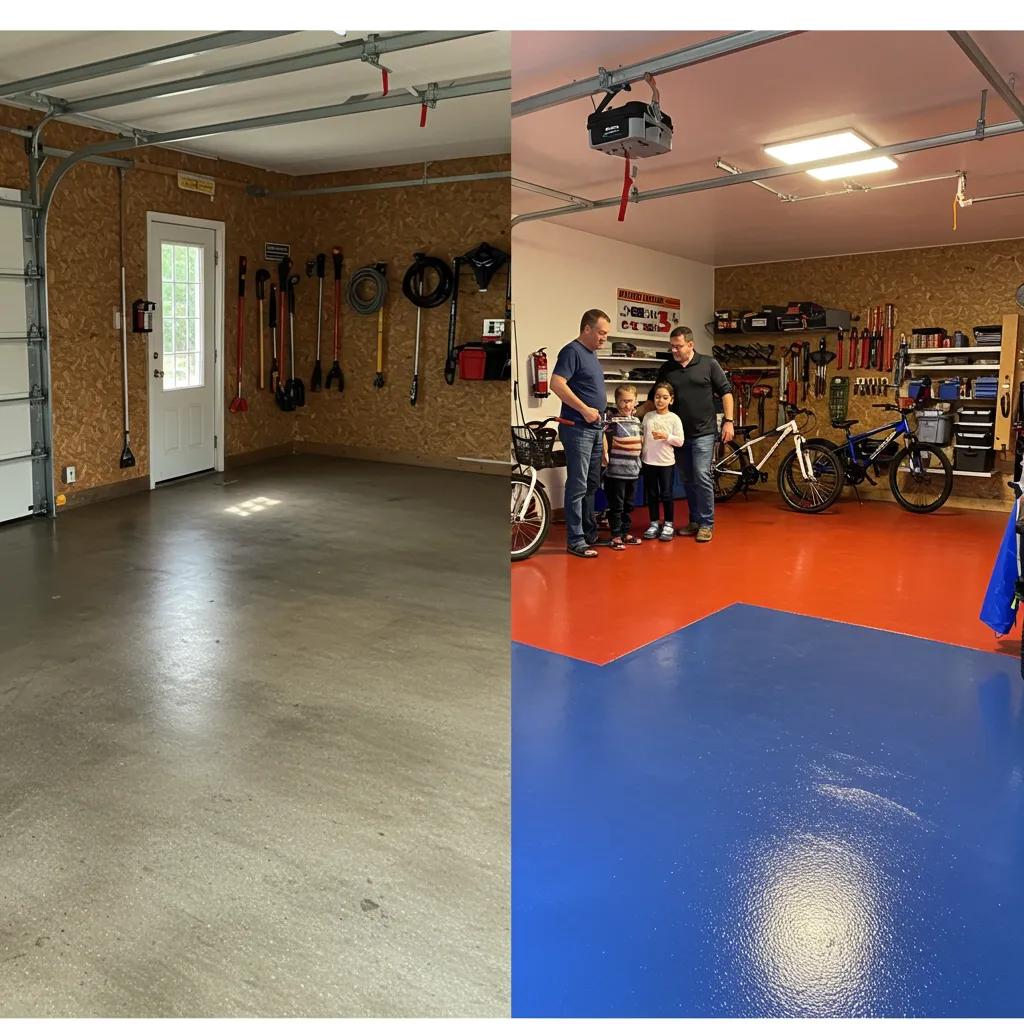
Coatings change how spaces function by improving cleanliness, safety, and durability while offering cosmetic upgrades that increase perceived value. In homes, a sealed floor resists oil and household stains, simplifies cleaning, and enables multipurpose use of the garage as a workshop or living space. In commercial settings, coatings provide slip resistance, chemical protection, and uptime improvements that reduce maintenance costs and support safety programs. Below are use-case-focused benefits that illustrate tangible outcomes for owners considering an upgrade in Rhode Island.
Common transformation benefits include:
- Residential improvements: Cleaner surfaces, attractive finishes, and increased resale appeal.
- Commercial advantages: Reduced downtime, enhanced safety features, and long-term cost savings.
- Repair and protection: Coatings stabilize and conceal minor concrete defects while protecting slabs from further deterioration.
These outcomes demonstrate how coatings serve both aesthetic and functional roles, aligning with homeowner and business goals across Rhode Island.
What Are the Benefits of Residential Garage Floor Transformations?
For homeowners, a professionally coated garage becomes easier to clean, more attractive, and more useful for hobbies or storage, which enhances daily convenience and overall property presentation. Coatings reduce the visibility of oil stains, vehicle fluids, and tire marks, and multi-layer systems provide a smooth, sealed surface that resists common household chemicals. Decorative finishes can be chosen to match interior design preferences and to add visual appeal that supports resale value. The combined functional and aesthetic improvements make coated floors a practical home investment with visible daily benefits.
How Do Commercial Floor Coatings Enhance Performance and Safety?
Commercial coatings extend floors’ service life by resisting abrasion, heavy traffic, and chemical exposure, which reduces maintenance schedules and replacement cycles. Slip-resistant textures and durable topcoats enhance worker safety and can support compliance with internal safety standards. Case-oriented implementations typically follow a problem → solution → result structure: identify high-wear areas, select an industrial-grade resin like polyurea, and install a system that reduces downtime and maintenance requests. These performance gains translate into operational savings and improved workplace conditions.
Can Garage Floor Coatings Help Repair and Protect Cracked Concrete?
Coatings can encapsulate repaired cracks and prevent moisture intrusion when combined with proper crack routing, sealing, and patching techniques that stabilize the slab before coating. Small to moderate cracks are often managed with routing and epoxy or polymer fillers followed by coating application, providing both cosmetic improvement and structural protection. For large structural issues or significant slab movement, resurfacing or more extensive structural repair may be required before coating to ensure lasting performance. Proper assessment determines whether repair plus coating or reconstruction is the recommended approach.
What Do Rhode Island Homeowners Say About Our Garage Floor Coating Services?
Local homeowner feedback highlights installation quality, communication, and finished appearance as primary satisfaction drivers when evaluating coating contractors. Representative testimonials commonly note responsiveness, thorough preparation, and the difference a finished floor makes to garage usability and aesthetics in Rhode Island homes. Short case summaries help potential customers imagine similar outcomes for their projects by describing the initial challenge, chosen coating system, and the homeowner’s experience with the installation process. These social proof elements guide expectations and emphasize practical benefits rather than marketing claims.
To help readers interpret reviews and project examples, the following list outlines what to look for in homeowner feedback:
- Project scope and initial problem: Clear statements of what issue prompted the upgrade.
- Material and process chosen: Which coating family and preparatory steps were used.
- Result and homeowner value: Outcomes in durability, maintenance, and appearance.
Which Customer Testimonials Highlight Our Quality and Service?
Homeowner excerpts often emphasize clarity of communication, attention to prep work, and the dramatic visual improvement after installation—factors that correlate strongly with long-term satisfaction. When homeowners describe fewer post-installation issues and easy cleaning, those points signal correct prep and proper material selection. Local testimonials that mention city or neighborhood context provide additional relevance for readers assessing contractors’ local experience. Reviewing these qualitative signals helps new customers set realistic expectations about process, timeline, and cleanup.
How Do Case Studies Demonstrate Successful Garage Floor Transformations?
Short case studies typically follow a structure: challenge (oil stains, cracks, or worn surfaces), solution (material selected and prep performed), and outcome (durability improvements and homeowner feedback). This format highlights decision points—why a polyaspartic was chosen for rapid cure or why an epoxy flake system was selected for decorative budget reasons—and shows how those choices translated into homeowner value. Case studies that include mention of timeline, prep work, and warranty support allow readers to compare real-world trade-offs more directly.
Why Are We Rated Among the Best Garage Floor Coating Companies in Rhode Island?
Strong local ratings derive from consistent workmanship, transparent pricing, clear warranty coverage, and financing options that reduce barriers to premium systems. Emphasizing quality control, climate-aware material choices, and attentive project management builds homeowner trust over time. While ratings themselves depend on many factors, focusing on these provable service elements—proper prep, tested materials, and reliable communication—creates the foundation for high satisfaction and repeat business.
How Can You Get a Free Estimate and Start Your Garage Floor Transformation Today?
Requesting a free estimate is a straightforward three-step process that begins with an inquiry and ends with a scoped quote tailored to your slab condition and coating goals. Local coverage in Rhode Island and nearby Massachusetts enables timely on-site assessments and neighborhood-aware scheduling. Financing options advertised with monthly payments under $30 can be discussed during the estimate so homeowners understand affordability before committing. The steps below explain what information to provide and what to expect after you request a quote to simplify decision-making.
Follow these three steps to request a free quote:
- Contact the installer with basic project details, square footage, and photos of your garage floor.
- Schedule an on-site assessment to evaluate slab condition, moisture, and repair needs.
- Receive a detailed quote showing recommended materials, prep work, timeline, and financing options if requested.
What Is the Simple Process to Request a Free Quote?
To request a free estimate, provide the garage dimensions, photos of visible cracks or stains, and describe usage patterns (vehicle, workshop, gym) so estimators can prepare accurate recommendations. An on-site visit confirms moisture conditions and actual preparation needs; expect a scoped proposal that outlines coating type, necessary repairs, decorative options, warranty information, and available financing. Homeowners should ask for a written scope that specifies preparation methods and warranty coverage to compare offers objectively. This transparent approach ensures the final contract aligns with expectations and performance needs.
How Does Our Local Rhode Island Service Area Support Your Project?
Local service means crews understand regional climate challenges and can schedule work within appropriate temperature and humidity windows to protect adhesion and curing. Serving Rhode Island and Massachusetts allows installers to provide nearby follow-up support and faster response for warranty or maintenance questions. Proximity also reduces travel-related logistics costs and simplifies coordination for prep and delivery of materials. Local presence supports consistent oversight and easier communication throughout the project lifecycle.
What Financing Options Are Available to Begin Your Garage Floor Upgrade?
Financing options are available to spread the project cost over monthly payments, and programs advertising payments under $30 a month can make higher-performance systems more attainable for many homeowners. To evaluate eligibility and specific monthly terms, request financing details during the quote phase so you can compare financed vs. upfront pricing, including what’s covered under the financed amount. Discussing financing early helps you select a system that meets performance goals while fitting your monthly budget and prevents surprises at contract signing.
Garage Floor Coatings is based in Bristol, RI and offers professional garage floor coatings across Rhode Island and Massachusetts. The company provides epoxy, polyaspartic, polyurea, and rubber flooring installations, offers flexible financing options (including plans with payments under $30 a month), and backs installations with comprehensive warranties. For homeowners seeking a local partner that emphasizes quality, attention to detail, and transforming garages into extraordinary spaces, Garage Floor Coatings can provide a free estimate and project plan tailored to regional conditions and homeowner goals. For contact, inquire by phone at (401) 662-9117 or via the company website or business profile to request a free, on-site assessment.