
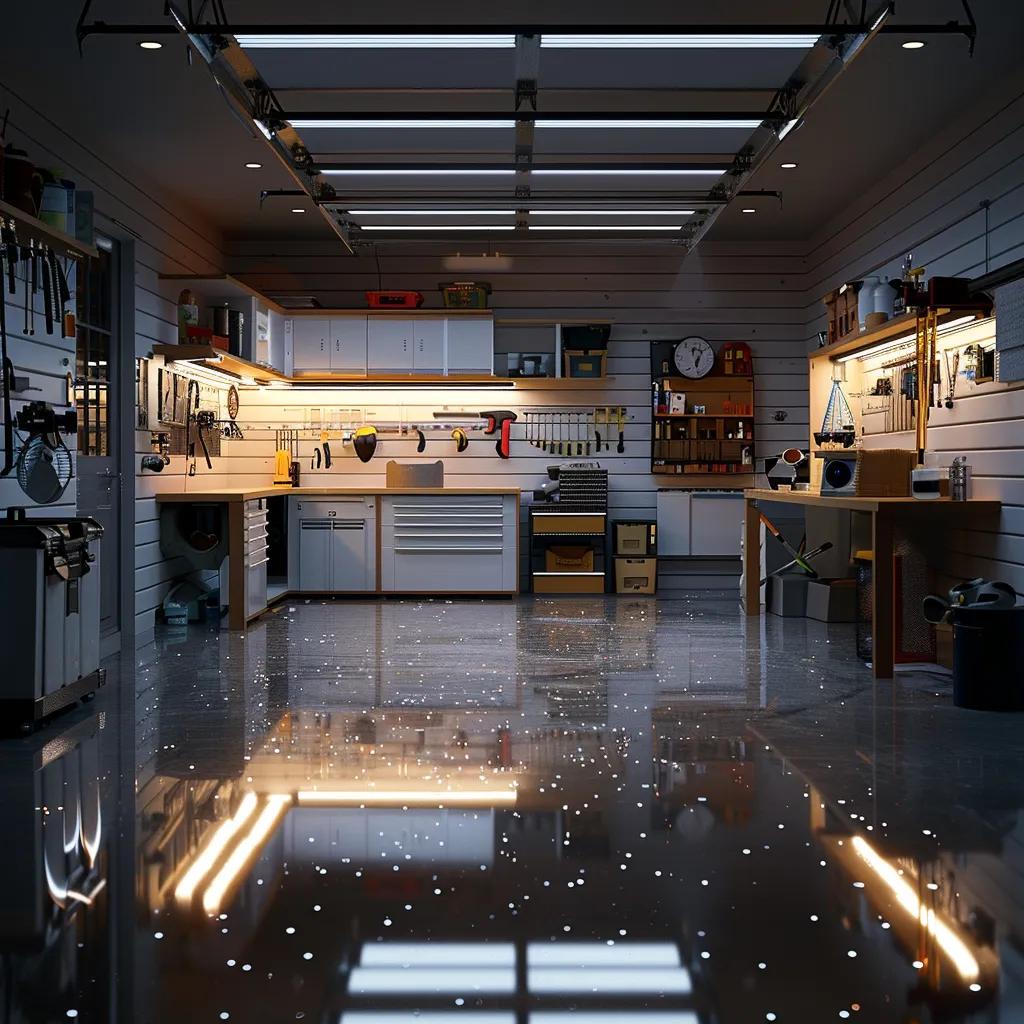
For homeowners in Bristol, Rhode Island, where coastal living meets a blend of historic charm and modern convenience, the garage often serves as much more than just a place to park a vehicle. It’s a space that can transform into a workshop for boat maintenance, a storage area for outdoor gear, a creative studio, or even an extension of the home for entertaining. Given Bristol’s humid summers and chilly, sometimes damp winters, the concrete garage floor takes a considerable beating from moisture, road salts, oil spills, and general wear. A bare, untreated concrete floor can be a source of dust, an eyesore of stains, and prone to deterioration.
The good news is that revitalizing your garage floor with a durable, attractive coating is a perfectly achievable DIY project. As of July 10, 2025, the market offers an impressive array of high-quality, user-friendly garage floor coating kits, primarily epoxy-based systems, designed for home application. These systems offer superior durability, chemical resistance, and aesthetic appeal compared to traditional concrete paints. While the prospect of coating your garage floor might seem like a substantial undertaking, breaking it down into manageable steps and prioritizing meticulous preparation will be your keys to achieving a professional-looking finish that not only enhances your Bristol home but also stands up to its unique coastal environment.
Step 1: The Essential Foundation – Clearing and Deep Cleaning
This initial phase is, without exaggeration, the most critical. The success and longevity of your coating depend entirely on a clean, dry, and properly prepared surface.
- Empty the Garage Completely: This means everything – tools, storage bins, vehicles, and even that forgotten stack of newspapers. This is an excellent opportunity for a thorough declutter and organization, perhaps even a trip to the Bristol recycling center.
- Thorough Sweeping/Vacuuming: Remove all loose dirt, dust, and debris. A shop vacuum is highly effective for this.
- Degrease and Clean Meticulously: Acquire a heavy-duty concrete degreaser, often included in coating kits or readily available at local hardware stores in the Bristol area. Follow the manufacturer’s instructions precisely. For stubborn oil or grease stains common in garages, you might need dedicated spot removers or a stiff-bristled brush to agitate the cleaner. Rinse the entire floor meticulously with clean water, ensuring absolutely no cleaning solution residue remains. A pressure washer can be incredibly effective here, particularly for larger garages. Given Bristol’s humidity, allow ample drying time—typically 24-48 hours, or even longer if it’s been particularly damp. Using fans to circulate air will significantly accelerate the drying process.
Step 2: Creating “Tooth” – The Acid Etch
Most DIY epoxy kits include an acid etching solution, typically a diluted phosphoric acid. This step is fundamental, as it lightly etches the concrete surface, creating a microscopic porosity that allows the coating to bond effectively.
- Prioritize Safety: Always wear appropriate personal protective equipment (PPE): chemical-resistant gloves, safety glasses, and old clothes. Ensure excellent ventilation – open the garage door and use fans.
- Apply the Etcher Evenly: Carefully follow the kit’s instructions for mixing the etcher with water. Apply it evenly to the pre-dampened concrete using a plastic watering can or a low-pressure sprayer. You should observe a slight fizzing or bubbling action, which indicates the acid is working.
- Scrub for Better Results (Optional but Recommended): For enhanced adhesion, especially on older or very smooth concrete, use a stiff bristle brush or a floor scrubber to agitate the solution into the concrete.
- Rinse, Rinse, Rinse: This is another absolutely critical step. Rinse the floor repeatedly and thoroughly with clean water until all traces of the etcher and any resulting white powder/residue are completely gone. Any remaining residue will compromise the coating’s adhesion. Again, allow the floor to dry completely. A moisture test (taping a small piece of plastic sheet to the floor overnight – if condensation forms on the underside, it’s not dry enough) is highly recommended, especially in coastal Rhode Island’s climate.
Step 3: Flawless Canvas – Patching and Repairing
Once the floor is impeccably clean and dry, carefully inspect it for any cracks, divots, or areas of spalling (flaking).
- Fill Cracks and Divots: Use a high-quality concrete crack filler or a specialized repair compound. Apply according to the product’s instructions, ensuring the repair is flush with the surrounding concrete surface.
- Address High Spots: If there are any significant high spots or uneven areas, consider renting a concrete grinder (available from equipment rental companies in larger Rhode Island cities) to level them out. This attention to detail dramatically contributes to a smooth, professional-looking final finish.
- Allow Full Cure: Let all repair compounds cure fully before moving on to the coating application.
Step 4: The Application – Mixing and Rolling for a Seamless Finish
Now for the exciting part – applying the coating itself!
- Read Instructions Again (Seriously): Every kit has specific mixing ratios and “pot life” (the amount of time you have to work with the mixed product before it starts to harden). Familiarize yourself with these details.
- Mix Components Thoroughly: Most epoxy kits are two-part systems (resin and hardener). Mix them precisely in a clean bucket using a drill with a mixing paddle. Do not mix more product than you can apply within the specified pot life.
- Cut In Edges First: Using a high-quality brush, carefully “cut in” along the perimeter of your garage and around any permanent obstacles (support posts, drains, etc.).
- Roll in Manageable Sections: Pour a manageable bead of the mixed coating onto the floor. Use a high-quality, lint-free roller with the recommended nap (usually 3/8″ or 1/2″) on an extension pole. Roll the coating in even, overlapping strokes, working in small, sequential sections (e.g., 4×4 feet).
- Maintain a Wet Edge: Always strive to maintain a “wet edge” as you roll. This means rolling into freshly applied coating, not into areas that have already begun to cure, to prevent visible lap marks.
- Broadcast Flakes (Optional): If your kit includes decorative flakes, broadcast them evenly into the wet coating immediately after rolling each section. A simple method is to gently toss them upwards and let them fall naturally.
Step 5: Layering for Longevity – Second Coat and Topcoat
Many high-quality kits recommend or include a second coat for enhanced durability and a richer appearance.
- Adhere to Cure Times: Allow the first coat to cure for the recommended time (typically 12-24 hours) before applying the second. Strict adherence to the manufacturer’s guidelines is crucial.
- Apply Second Coat: Repeat the rolling process for the second coat.
- Consider a Clear Topcoat (Highly Recommended): For maximum protection against abrasion, UV yellowing (especially with sun exposure in Bristol), and chemical spills, applying a clear topcoat is highly advisable. Some kits include this, while others sell it separately. This step significantly extends the life and maintains the professional luster of your garage floor.
Step 6: The Waiting Game – Curing and Return to Service
Patience at this final stage will ensure the longevity of your investment.
- Light Foot Traffic: Most coatings can handle light foot traffic within 24-48 hours.
- Vehicle Traffic: Allow the coating to fully cure for at least 3-7 days, or precisely as specified by the manufacturer, before driving vehicles onto it. Premature vehicle traffic can lead to tire marks, delamination, or damage to the uncured coating.
- Heavy Objects/Chemicals: For heavy equipment, tools, or exposure to harsh chemicals, allow the full specified cure time (often up to 7 days) to ensure maximum chemical and abrasion resistance.
By meticulously following these step-by-step tips, from the critical preparatory stages to the careful application and patient curing, you can transform your bare concrete garage floor in Bristol, RI, into a durable, attractive, and highly functional space. This rewarding DIY project not only boosts the aesthetics and value of your home but also provides a resilient surface that stands up to the demands of coastal New England living.