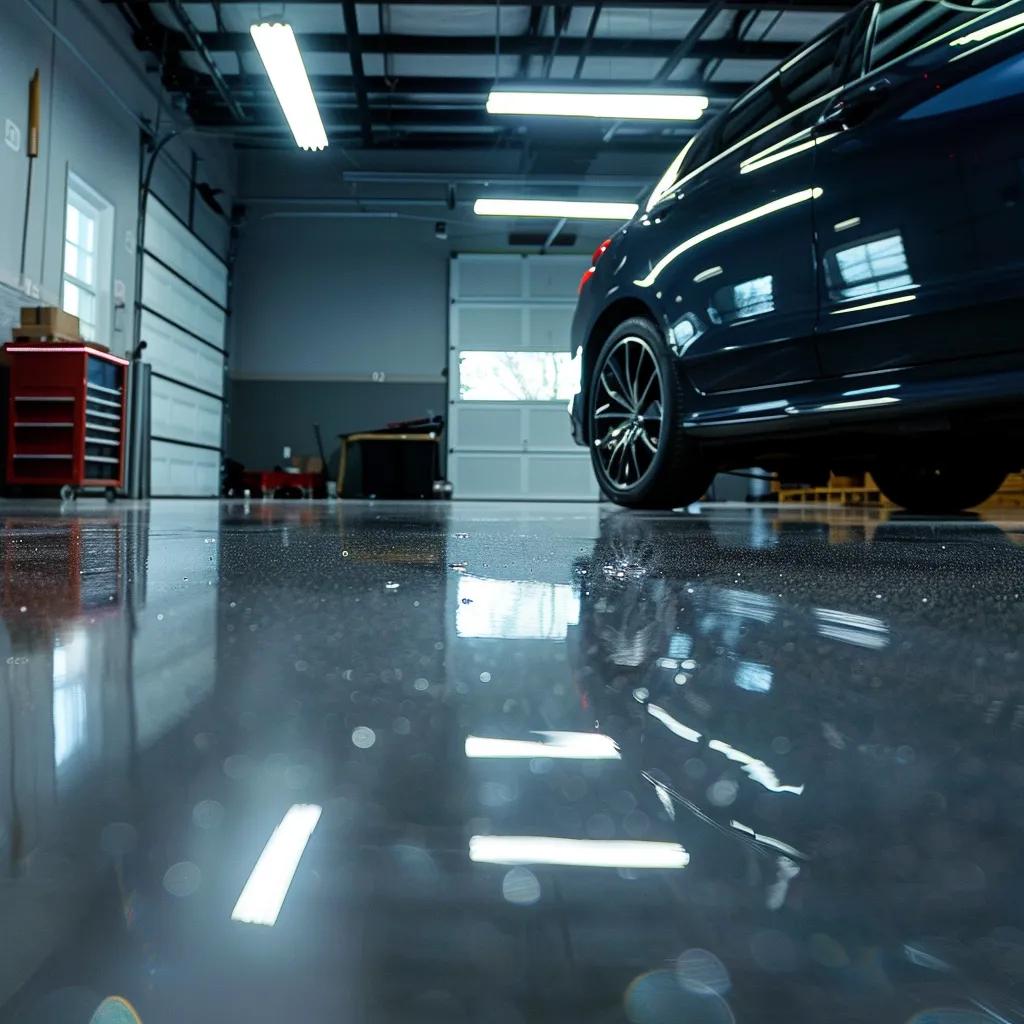
For many homeowners, the garage has evolved beyond a simple parking space. It’s often a multi-functional area: a bustling workshop, an organized storage hub, a home gym, a creative studio, or even a casual gathering spot. Given its diverse and demanding uses, coupled with exposure to heavy vehicles, corrosive chemicals, and constant foot traffic, a bare concrete garage floor can quickly succumb to stains, cracks, dust, and an uninviting appearance. This is where garage floor coatings step in, promising a durable, aesthetically pleasing, and remarkably easy-to-clean surface. But the pressing question on every homeowner’s mind is: “How long do these coatings truly last?”
The answer, like many things related to home improvement, isn’t a single, definitive number. The actual lifespan of a garage floor coating is a dynamic outcome, influenced by a confluence of critical factors. Understanding these elements will empower you to make an informed decision when selecting a coating and adopting practices that maximize your investment.
Deciphering the Main Types of Garage Floor Coatings
Before delving into longevity, it’s essential to recognize the primary types of garage floor coatings available in the market today:
- Epoxy Coatings: For a long time, epoxy has been the most common choice. It’s a thermosetting resin system that, when mixed with a hardener, cures into a rigid, highly durable, and chemical-resistant surface. While more basic, water-based DIY epoxy kits are widely available, professional-grade, 100% solids epoxy systems offer significantly superior performance and longevity.
- Polyaspartic Coatings: Representing a newer generation of coating technology, polyaspartic is a type of polyurea. It addresses many of epoxy’s limitations, offering enhanced flexibility, significantly faster cure times (often allowing return to service in hours), exceptional UV stability (meaning it resists yellowing or chalking when exposed to sunlight), and superior resistance to scratches, abrasion, and various chemicals.
- Acrylic Coatings: Often thinner and less robust, acrylic coatings are more akin to a specialized high-performance paint. While they can offer a quick cosmetic refresh and some basic protection against dust, they generally do not provide the same level of long-term wear resistance and durability as true epoxy or polyaspartic systems.
Expected Lifespan by Coating Type
Based on general performance and quality, here’s an estimated lifespan for each type:
- Acrylic Coatings: These are typically the shortest-lived, often requiring touch-ups or a complete recoating every 1 to 3 years, especially in areas subjected to higher traffic. They serve primarily as a decorative and dust-reducing solution rather than heavy-duty protection.
- DIY Epoxy Kits (Water-Based/Low Solids): These consumer-grade kits, while affordable, usually last around 3 to 5 years. Their thinner application, lower solids content, and often less meticulous surface preparation by homeowners make them more prone to issues like peeling, chipping, and wear under regular garage conditions.
- Professional-Grade Epoxy (100% Solids): When installed correctly by experienced professionals with thorough surface preparation, a high-quality, 100% solids epoxy system can last anywhere from 10 to 20 years in a residential setting. Industrial applications, with even more rigorous standards, can sometimes exceed this.
- Polyaspartic Coatings: Regarded as the premier solution for garage floors, professionally installed polyaspartic systems boast an impressive lifespan, typically ranging from 15 to 25 years or even longer with diligent maintenance. Their inherent flexibility, robust UV stability, and superior resistance to abrasion are key contributors to this extended durability.
Crucial Factors That Dictate Longevity
While the type of coating is a primary determinant, several other elements play a pivotal role in how long your garage floor coating will truly perform and look its best:
- Surface Preparation – The Undisputed King: This is arguably the single most critical factor influencing longevity. If the underlying concrete isn’t meticulously cleaned, thoroughly degreased, properly etched or mechanically ground (the preferred method), and expertly repaired before the coating is applied, the coating will not achieve adequate adhesion. Inadequate preparation inevitably leads to premature delamination, peeling, and bubbling, rendering even the highest-quality coating useless. Professional installers always prioritize and invest heavily in this foundational step.
- Quality of Materials: The adage “you get what you pay for” holds true here. High-quality, industrial-grade products with a high percentage of solids (the actual coating material, not just water or solvents) will invariably outperform cheaper, thinner, or lower-quality alternatives. Investing in premium materials upfront is a direct investment in long-term durability.
- Thickness of the Coating System: A general rule of thumb is that a thicker, multi-layer coating system (e.g., a primer, a colored base coat with decorative flakes, and a durable clear topcoat) will last significantly longer than a thin, single-coat application. The increased material thickness provides a more robust barrier against wear and abrasion before the concrete substrate is exposed.
- Application Method and Installer Expertise: DIY kits often fail not necessarily because the product is inherently bad, but because homeowners lack the specialized equipment, training, and experience for proper application. Professional installers possess the expertise to ensure correct mixing ratios, uniform application, optimal cure times, and strict adherence to manufacturer specifications. An improperly applied coating, even if the materials are good, is destined for premature failure.
- Traffic and Usage Levels: A garage that sees daily parking of multiple heavy vehicles, frequent use as a workshop with dropped tools, or regular exposure to chemical spills will naturally endure more wear and tear than a garage used primarily for light storage or occasional parking. Constant abrasion from tires, hot tire pick-up, and impact from heavy objects can accelerate wear.
- Environmental Exposure:
- UV Light: Prolonged direct sunlight can cause certain epoxy coatings to “chalk,” fade, or yellow over time. Polyaspartic coatings, with their superior UV stability, are ideal for garages with south-facing doors or those that are frequently left open.
- Temperature Fluctuations: Extreme daily or seasonal temperature swings can cause concrete to expand and contract. Less flexible coatings can become stressed, potentially leading to cracking or delamination.
- Moisture: High ambient humidity or, more critically, moisture vapor rising through the concrete slab from the ground (hydrostatic pressure) can compromise the coating’s adhesion. A professional installation should always include a moisture vapor barrier if testing indicates a need.
- Ongoing Maintenance Routine: Like any floor, diligent and proper maintenance is crucial for extending the lifespan of a garage floor coating.
- Regular Cleaning: Sweep or vacuum frequently to remove abrasive dirt, grit, and debris. Mop with a mild, pH-neutral cleaner.
- Immediate Spill Cleanup: Promptly address oil, grease, chemicals, and other spills to prevent staining or etching the surface.
- Avoid Harsh Chemicals: Never use abrasive cleaners, strong acids, or industrial solvents that can aggressively attack and degrade the coating.
- Protective Measures: Utilize drip mats under vehicles, and place protective pads under the legs of heavy equipment, tools, or storage units to prevent scratches and gouges.
Recognizing Signs of Coating Failure
Even the highest quality coatings will eventually show signs of wear. Be vigilant for:
- Peeling or Delamination: The coating lifting or bubbling away from the concrete, often starting at edges or cracks.
- Cracking: New cracks appearing in the coating, sometimes mirroring underlying concrete cracks.
- Chipping: Small pieces of the coating breaking off, exposing the concrete beneath.
- Fading or Yellowing: A noticeable loss of original color or discoloration, particularly in sun-exposed areas.
- Loss of Gloss: The surface becoming dull or hazy despite proper cleaning.
- Excessive Scratching or Abrasion: The protective topcoat wearing thin, indicating reduced protection.
Conclusion: A Smart Investment for Lasting Value
While a low-cost, DIY garage floor coating might seem appealing in the short term, its typically brief lifespan and potential for premature failure often lead to greater expense and frustration down the line. For a truly durable, long-lasting, and aesthetically pleasing garage floor that enhances the functionality and value of your home, investing in high-quality materials and professional installation – particularly with advanced polyaspartic systems – is not just an expense, but a wise investment.
With meticulous surface preparation, a robust multi-layer coating system, and consistent, appropriate maintenance, your garage floor coating can easily provide a decade or two (or more) of reliable performance, transforming your garage into a functional, beautiful, and easy-to-maintain extension of your living space that truly stands the test of time.