Your garage floor, often subjected to heavy vehicles, chemical spills, and relentless foot traffic, takes a beating. Left untreated, concrete can crack, stain, and deteriorate, becoming an eyesore and a potential safety hazard. Enter garage floor coatings – a transformative solution that not only protects your investment but also elevates the aesthetics and functionality of this often-overlooked space. This ultimate guide will delve into the various types of coatings, their associated costs, and the myriad benefits they offer.
The Unseen Battle: Why Your Garage Floor Needs Protection
Bare concrete, while seemingly robust, is inherently porous. This means it readily absorbs liquids – oil, grease, antifreeze, and even water – leading to unsightly stains and potential long-term damage. Furthermore, the constant friction from tires, tools, and heavy objects can cause abrasion, dusting, and eventually, cracking. Temperature fluctuations, especially in regions with distinct seasons, also contribute to the concrete’s expansion and contraction, exacerbating these issues.
A quality garage floor coating creates a durable, non-porous barrier that addresses these vulnerabilities head-on. It transforms a vulnerable surface into a resilient, easy-to-maintain foundation that stands up to the rigors of daily garage life.
Types of Garage Floor Coatings: Finding Your Perfect Match
The market offers a range of coating materials, each with unique properties, advantages, and ideal applications.
1. Epoxy Coatings: The Enduring Favorite
Epoxy is perhaps the most well-known and widely used garage floor coating. It’s a two-part system consisting of a resin and a hardener that, when mixed, create a tough, durable, and chemically resistant plastic coating.
- Pros:
- Durability: Excellent resistance to oil, grease, chemicals, abrasions, and impacts.
- Aesthetics: Available in a vast array of colors and can be customized with decorative flakes (chips) for a granite-like or terrazzo appearance, or metallic pigments for a unique, artistic look.
- Seamless: Creates a smooth, non-porous surface that is easy to clean and prevents dirt and spills from seeping in.
- Cost-Effective: Generally more affordable than polyurea or polyaspartic options.
- Cons:
- UV Sensitivity: Can yellow or chalk over time with prolonged exposure to direct sunlight, making it less ideal for garages with significant sun exposure unless a UV-stable topcoat (like urethane or polyaspartic) is applied.
- Cure Time: Requires a longer cure time (typically 24-72 hours for light traffic, longer for full cure), meaning your garage will be out of commission for a few days.
- Hot Tire Pickup: Can be susceptible to “hot tire pickup” (where hot tires lift the coating) if not properly applied, or if a lower quality product is used.
2. Polyurea Coatings: The Fast and Flexible Challenger
Polyurea is a relatively newer player in the residential garage coating market, but it’s quickly gaining traction due to its superior performance and rapid cure time. Like epoxy, it’s a two-component system.
- Pros:
- Extreme Durability: Exceptionally resistant to chemicals, abrasions, impacts, and temperature fluctuations. More flexible than epoxy, reducing cracking and chipping.
- Rapid Cure Time: Can cure in a matter of hours (often allowing same-day return to service), significantly reducing downtime.
- UV Stability: Excellent resistance to UV rays, meaning it won’t yellow or fade over time, even in direct sunlight.
- Hot Tire Resistance: Highly resistant to hot tire pickup.
- Cons:
- Cost: Generally more expensive than epoxy.
- Application Complexity: Its fast cure time makes it challenging for DIY application; professional installation is often recommended.
3. Polyaspartic Coatings: The Versatile Hybrid
Polyaspartic coatings are a type of polyurea, often offering a slightly longer “pot life” (working time) than pure polyurea, making them a more manageable option for some professional installers. They share many of polyurea’s benefits.
- Pros: Similar to polyurea, offering excellent durability, rapid cure times, UV stability, and resistance to chemicals and hot tire pickup.
- Cons: Similar to polyurea, typically more expensive than epoxy and still generally best left to professionals due to cure speed.
4. Urethane Coatings: The Protective Topcoat
Urethane coatings are often used as a clear topcoat over epoxy or other base coats to add an extra layer of protection, particularly enhancing scratch resistance and UV stability. They are not typically used as standalone garage floor coatings due to their thinner build and less robust adhesion to bare concrete.
- Pros: Excellent abrasion and scratch resistance, good UV stability, provides a clear, durable finish.
- Cons: Thinner build, usually requires a base coat, can be more challenging to apply evenly.
5. Concrete Sealers and Paints: Basic Protection
For the most budget-conscious, concrete sealers (acrylic-based) and dedicated concrete paints offer a temporary solution.
- Pros: Very affordable, easy to apply (DIY friendly).
- Cons: Offer minimal protection against stains and wear, require frequent reapplication (every 1-3 years for sealers, 1-5 years for paints), and lack the durability and aesthetic appeal of true coatings.
Costs: What to Expect
The cost of garage floor coating varies significantly based on several factors:
- Type of Coating: Epoxy is generally the most affordable, followed by polyurea/polyaspartic.
- Garage Size: Larger garages require more material and labor.
- Floor Condition: Extensive concrete repairs (cracks, spalling, leveling) before coating will add to the cost.
- DIY vs. Professional Installation: Professional installation costs more upfront but often ensures a higher quality, longer-lasting finish.
- Added Features: Decorative flakes, metallic pigments, or anti-slip additives will increase the material cost.
General Cost Ranges (per square foot, including materials and labor for professional installation):
- Epoxy: $3 – $12
- Polyurea/Polyaspartic: $5 – $15
- Concrete Sealer/Paint (DIY): $0.50 – $2 (materials only)
For a typical two-car garage (approx. 400-500 sq ft), professional installation can range from $1,500 to $6,000+, depending on the chosen system and floor condition.
The Benefits: More Than Just a Pretty Floor
Investing in a garage floor coating yields numerous advantages that extend far beyond aesthetics:
- Enhanced Durability and Protection: The primary benefit. Coatings create a strong barrier against spills (oil, chemicals, paint), abrasions, impacts, and hot tire marks, significantly extending the life of your concrete slab.
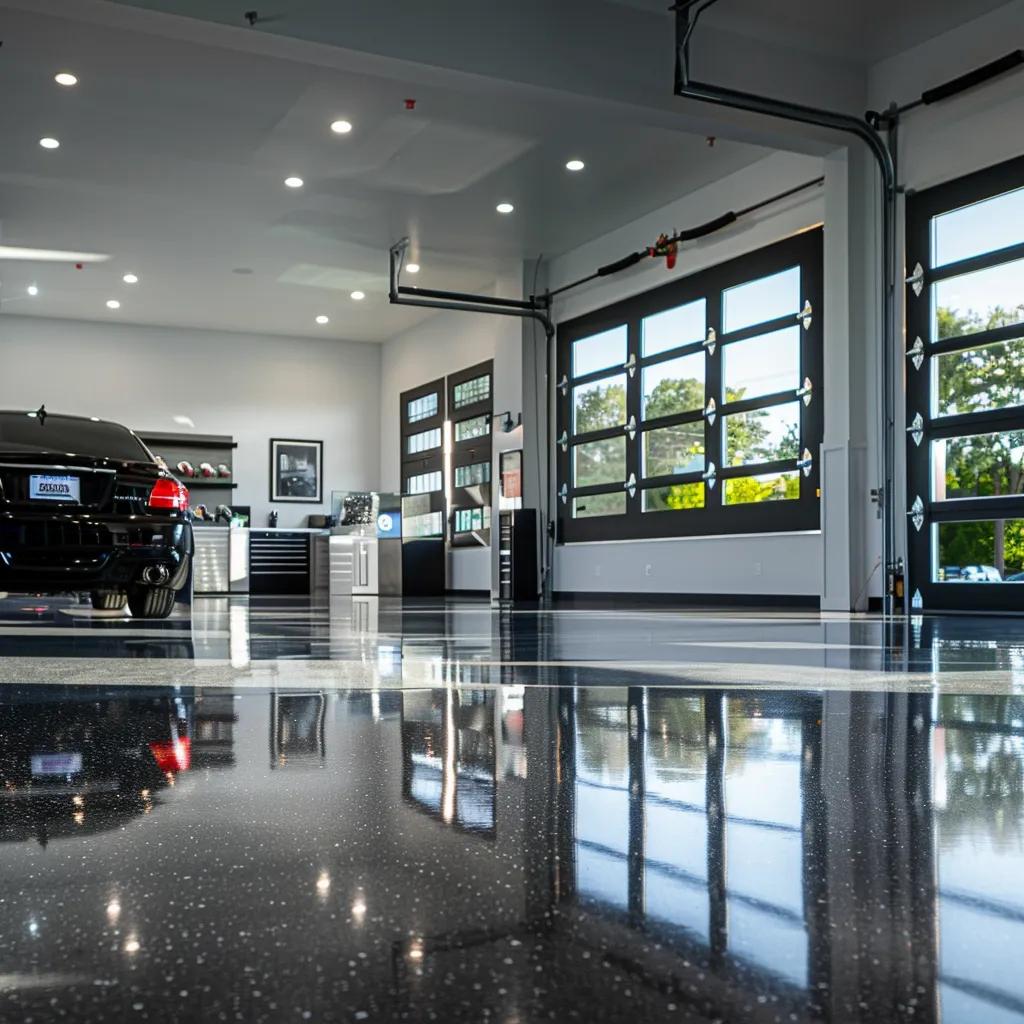
- Improved Aesthetics: Transforms a dull, dusty concrete slab into a vibrant, clean, and often reflective surface. This enhances the overall look and feel of your garage, making it a more inviting space for hobbies, storage, or even as an extension of your living area.
- Easy to Clean and Maintain: Unlike porous concrete that traps dirt and stains, a coated surface is seamless and non-porous. Spills can be wiped up easily, and routine cleaning usually involves just sweeping and occasional mopping. This reduces the effort and products needed for maintenance.
- Increased Safety: Many coatings can incorporate anti-slip additives or be applied with decorative flakes that provide a textured surface, significantly improving traction and reducing the risk of slips and falls, especially when the floor is wet.
- Moisture and Mold Resistance: By sealing the concrete, coatings prevent moisture penetration, which can lead to mold and mildew growth, especially in humid climates like Iligan City, Northern Mindanao.
- Dust Reduction: Uncoated concrete can “dust” as it wears, releasing fine particles into the air. A coating seals the surface, eliminating this issue and contributing to better indoor air quality.
- Increased Property Value: A professionally coated garage floor is a tangible upgrade that adds to the overall value and appeal of your home, a strong selling point if you ever decide to move.
In conclusion, a garage floor coating is more than just a cosmetic upgrade; it’s a strategic investment in the longevity, functionality, and aesthetic appeal of one of your home’s most hardworking spaces. By understanding the different types, their costs, and the impressive array of benefits, you can choose the ultimate solution to transform your garage.