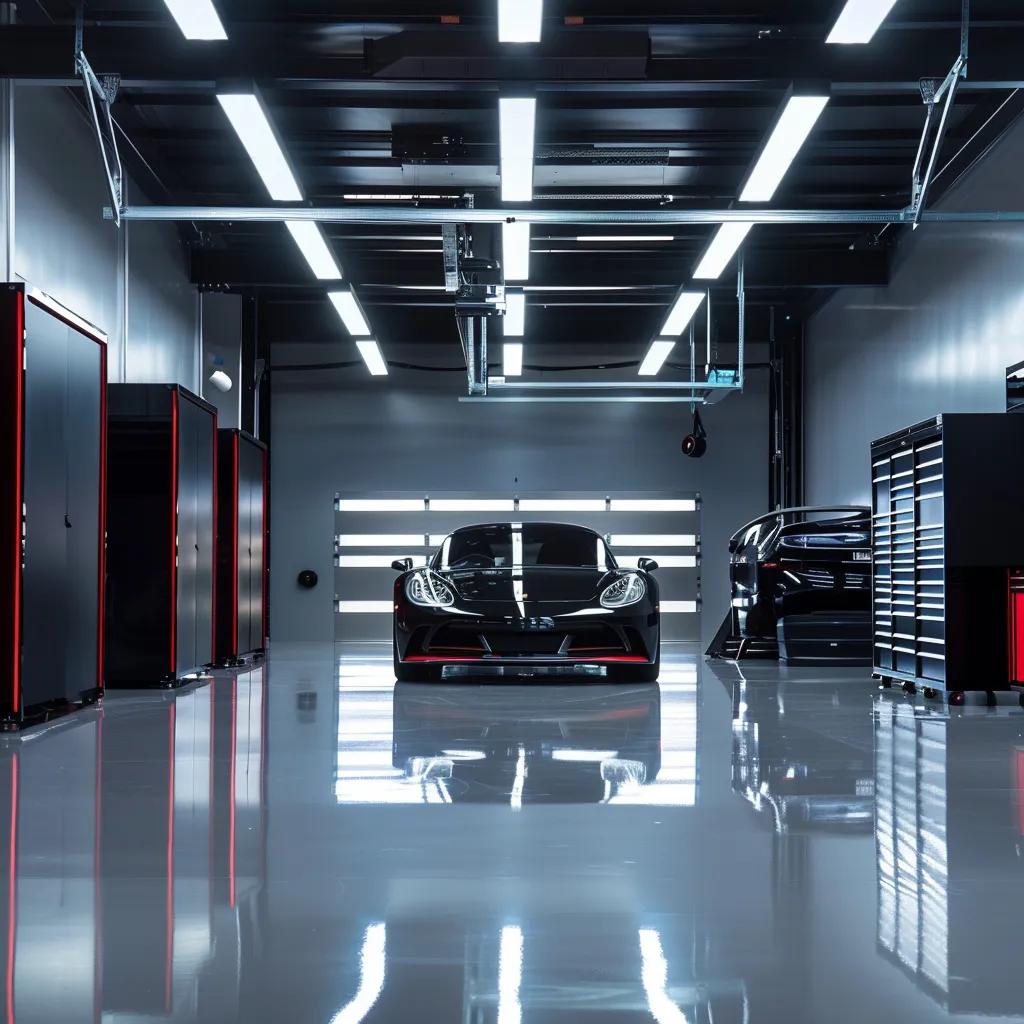
The garage, often considered a utilitarian space, is increasingly being recognized as an extension of the home – a workshop, a hobby haven, a gym, or even an additional living area. Yet, beneath the potential, lies a concrete slab that endures immense abuse: hot tires, oil spills, chemical leaks, heavy foot traffic, and the constant threat of abrasions and impacts. Left unprotected, this concrete is susceptible to staining, cracking, and deterioration, diminishing both the aesthetics and functionality of your garage.
Enter garage floor coatings – the unsung heroes transforming drab, vulnerable concrete into durable, attractive, and high-performing surfaces. But with a dizzying array of materials, finishes, and application methods available, understanding the best solution for your needs can be a complex endeavor. This deep dive will unravel the intricacies of garage floor coatings, exploring the most popular materials, their unique properties, and the diverse finishes they offer.
The Foundation: Why Coat Your Garage Floor?
Before delving into specific materials, it’s crucial to understand the fundamental benefits of investing in a garage floor coating:
- Enhanced Durability: Protects the concrete from chips, cracks, abrasions, and impact damage caused by dropped tools or heavy vehicles.
- Stain Resistance: Creates a non-porous barrier against oil, grease, chemicals, hot tire pickup, and other common garage spills, making cleanup a breeze.
- Improved Aesthetics: Transforms a dull, gray slab into a vibrant, clean, and appealing surface that complements your home.
- Increased Safety: Many coatings offer slip-resistant additives, crucial in an environment prone to spills.
- Dust Reduction: Seals the concrete, preventing it from shedding concrete dust, which can accumulate on vehicles and stored items.
- Easy Maintenance: Smooth, sealed surfaces are far easier to sweep and clean than raw concrete.
Decoding the Materials: A Closer Look
The world of garage floor coatings is dominated by a few key players, each with distinct characteristics:
1. Epoxy Coatings: Epoxy is arguably the most popular and well-known garage floor coating. It’s a thermosetting polymer applied as a two-part system: an epoxy resin and a polyamine hardener. When mixed, they create a chemical reaction that results in a rigid, durable plastic material.
- Types:
- 100% Solids Epoxy: The professional-grade option, offering superior thickness, durability, and chemical resistance. It contains no solvents, so it cures into a solid, robust layer.
- Water-Based Epoxy: More user-friendly for DIYers, as it contains water as a carrier. Thinner and less durable than 100% solids, often used as a primer or for lighter-duty applications.
- Solvent-Based Epoxy: Contains solvents that evaporate during curing. Offers better penetration into concrete than water-based but can be more challenging to work with due to fumes.
- Pros: Excellent adhesion, very durable, strong chemical and stain resistance, wide range of colors and decorative flake options.
- Cons: Can be slippery when wet (though anti-slip additives exist), susceptible to hot tire pickup (less so with high-quality systems), requires meticulous surface preparation, longer cure times.
2. Polyurea Coatings: Polyurea is a newer, high-performance coating material gaining significant traction, particularly in commercial and industrial settings, but now available for residential garages. It’s a rapidly curing elastomer, known for its exceptional flexibility and resistance.
- Types: Usually applied as a two-part system (resin and isocyanate). While pure polyurea is a rapid-cure, spray-applied product, most residential garage floor systems are polyaspartic polyurea, a slower-curing variant that allows for brush and roller application.
- Pros: Extremely durable, highly flexible (resists cracking from concrete movement), excellent abrasion and impact resistance, superior chemical resistance, UV stable (won’t yellow in sunlight), very fast cure times (often walkable in hours, return to service in 24 hours). Resistant to hot tire pickup.
- Cons: Higher material cost than epoxy, typically requires professional installation due to rapid cure times (unless using polyaspartic).
3. Urethane Coatings (Polyurethane): Polyurethane is often used as a topcoat over epoxy systems rather than a standalone coating, though some single-component polyurethane coatings exist. It’s known for its scratch resistance and UV stability.
- Pros: Excellent abrasion and scratch resistance, good UV stability (won’t yellow), provides a clear, protective top layer.
- Cons: Thinner film build than epoxy, less chemical resistance than pure epoxy or polyurea, not ideal as a primary coating due to limited thickness and adhesion to raw concrete.
4. Acrylic Sealers: These are typically clear, water-based or solvent-based sealers that penetrate the concrete rather than forming a thick film on top.
- Pros: Easy to apply, inexpensive, good for dust proofing and minor stain resistance.
- Cons: Low durability, limited protection against heavy traffic, chemicals, and hot tires, requires frequent reapplication. Best suited for light-duty garages or as a temporary solution.
Finishes: The Aesthetic & Functional Touch
Beyond the material itself, the finish determines the final look and feel of your garage floor:
- Solid Colors: The simplest finish, providing a clean, monolithic look. Available in a vast spectrum of colors to match any aesthetic.
- Flake Systems (Chip or Broadcast Systems): Decorative vinyl flakes are broadcast into a wet base coat (typically epoxy or polyurea) and then sealed with clear topcoats.
- Benefits: Hides imperfections in the concrete, provides a textured, slip-resistant surface, and offers endless color blend possibilities.
- Metallic Finishes: Specialized metallic pigments are mixed into clear or tinted epoxy, creating unique, three-dimensional, marbled, or pearlescent effects.
- Benefits: High-end, custom look; often used in show garages or spaces where aesthetics are paramount.
- Quartz Systems: Fine, colored quartz aggregates are broadcast into the coating, creating an extremely durable, slip-resistant, and aesthetically pleasing textured surface.
- Benefits: Exceptional abrasion and impact resistance, ideal for heavy-duty applications or commercial garages.
- High-Gloss vs. Satin vs. Matte: Most coatings cure to a high-gloss finish, which enhances light reflection and makes the space appear brighter. Satin and matte finishes are also available for those preferring a less reflective, more subdued look.
Choosing Your Ideal Coating
Selecting the right garage floor coating boils down to several factors:
- Budget: Acrylic is cheapest, followed by DIY epoxy, then professional epoxy, and finally polyurea/polyaspartic.
- Usage: A garage used purely for parking a car will have different needs than a workshop with heavy tools and machinery.
- Desired Durability: How much protection do you need against chemicals, impacts, and hot tires?
- Aesthetics: What look are you trying to achieve?
- DIY vs. Professional Installation: Some materials are more DIY-friendly, while others practically demand professional expertise for optimal results.
- Timeline: How quickly do you need the garage floor to be back in service?
In conclusion, a garage floor coating is not just a cosmetic upgrade; it’s a strategic investment in the longevity, functionality, and appearance of one of your home’s most hardworking spaces. By understanding the core materials – epoxy, polyurea, urethane, and acrylic – and the diverse range of finishes they offer, you can make an informed decision that transforms your garage from a forgotten utility room into a truly integrated and impressive part of your home.