
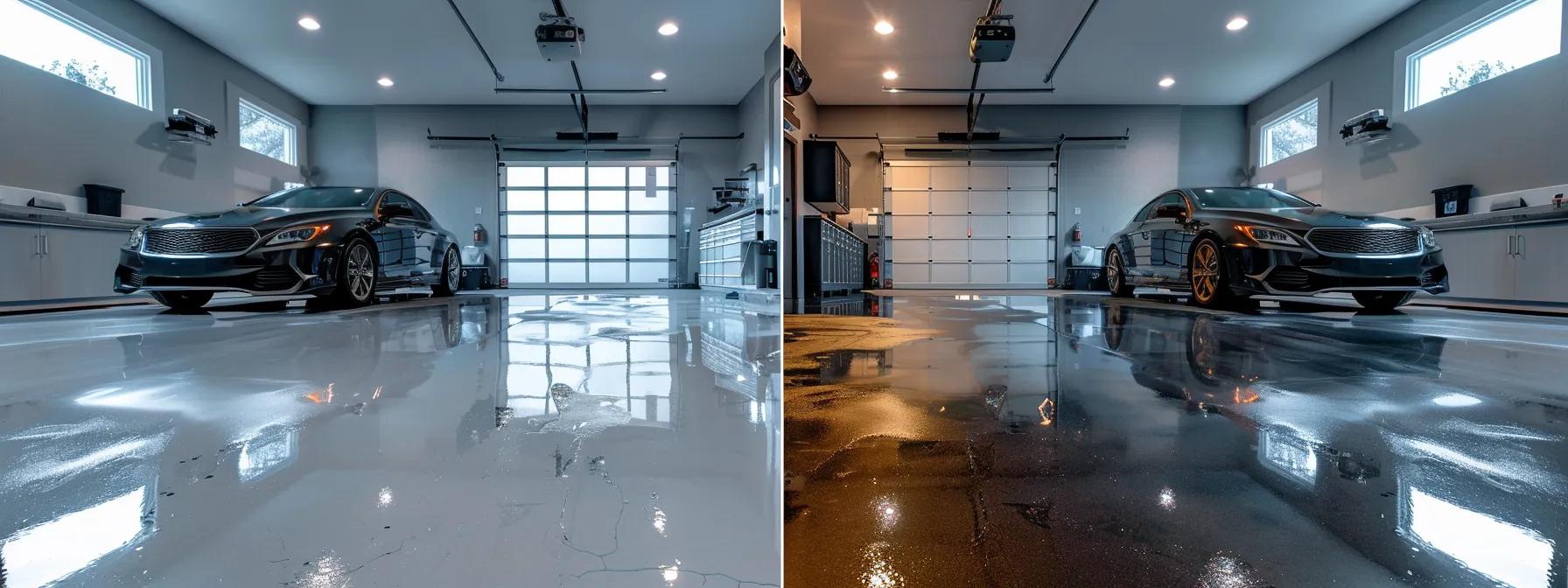
Epoxy Flooring: The Complete Guide
Epoxy flooring transforms concrete surfaces into high-performance, low-maintenance spaces that serve diverse areas-we-serve including residential, commercial, and industrial settings. Extensively used in residential and commercial floor coating projects, it provides an attractive, long-lasting finish that withstands heavy traffic, chemical spills, and abrasion. This guide explains the process—from understanding epoxy flooring to installation, design, maintenance, and the-process—with technical insights and real-world examples showcased in a gallery.
Understanding What Epoxy Flooring Is
Epoxy flooring is a floor coating system created using epoxy resin—a thermosetting polymer that bonds tightly with concrete. When mixed with a hardener, a chemical reaction forms a rigid, long-lasting finish designed for high-durability applications such as commercial floor coating and garagefloor coating. For additional details about installation and maintenance, explore the-process to learn more about how this solution is applied.
Defining Epoxy Resin and Its Composition
Epoxy resin is valued for its strength and adhesion, often utilized in commercial floor coating and garage-floor-coating applications. Composed of organic compounds, when mixed with a hardener it forms a molecular matrix known as the-process that adheres firmly to substrates. This composition enhances its durability and resilience, making it a favored material for concrete floor coatings.
The Chemical Reaction Creating a Durable Epoxy Surface
During curing, epoxy resin molecules cross-link with hardener molecules in an exothermic reaction—often referred to as the_process—that creates an interlocking network. This strong structural bond offers high resistance to impact, wear, and environmental degradation, making it an ideal solution in commercial floor coating applications for longevity even in demanding environments. For more details on our expertise, contact us.
Key Components Found in Epoxy Floor Systems
Epoxy floor systems consist of essential components: epoxy resin, hardener, pigments, additives, and aggregates. Pigments provide aesthetic appeal, while additives and aggregates enhance slip resistance, UV stability, and chemical resistance. Together, they create a customizable coating tailored for various functional and design needs.
Differentiating Epoxy From Other Resin Floor Coatings
Unlike polyurethane or polyaspartic coatings, epoxy flooring is known for its superior adhesion and thermal stability. Its chemical structure and robust cross-linked network give it better resistance to chemicals and wear compared to many other resin-based systems.
Common Applications for Epoxy Flooring Solutions
Epoxy flooring is used in industrial warehouses, commercial retail spaces, laboratories, garages, and high-end residential areas. Its applications range from protecting surfaces to achieving decorative designs with chips, metallic pigments, or colored aggregates. In garages, for example, epoxy flooring resists oil spills, abrasions, and is easy to clean.
Exploring the Benefits of Epoxy Floor Coatings
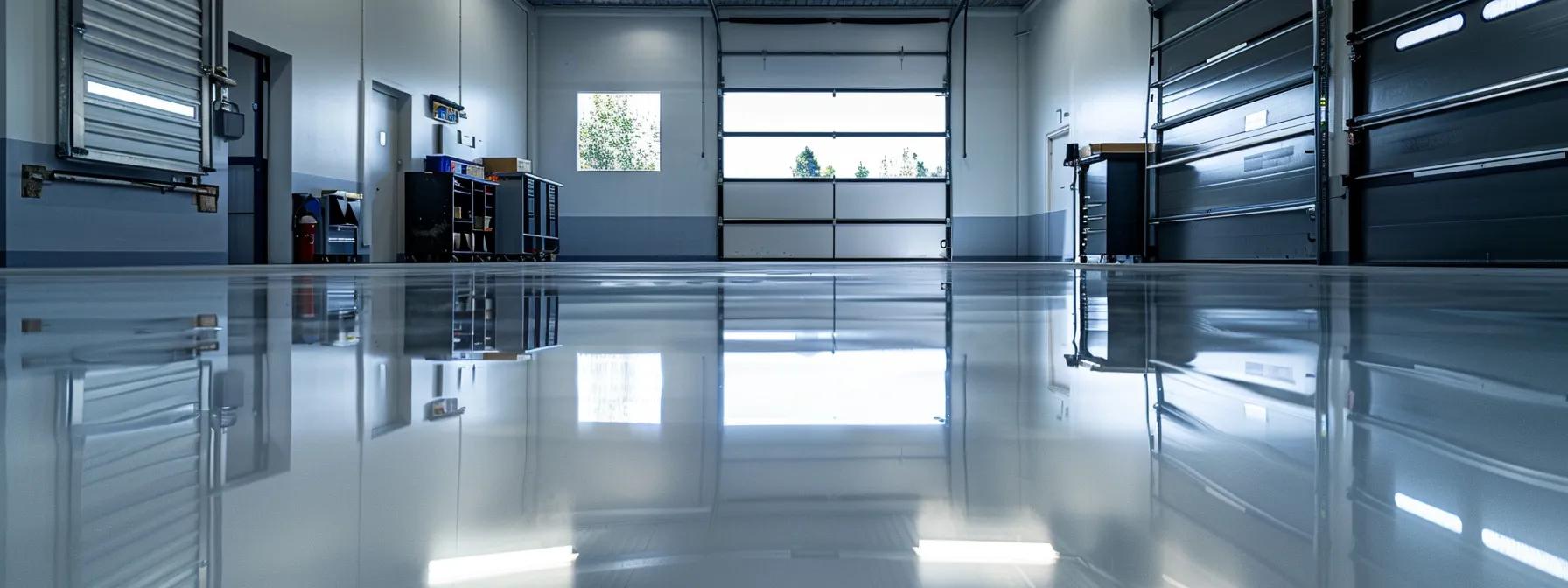
Epoxy floor coatings combine durability, aesthetics, and ease of maintenance. They offer a range of benefits from enhanced safety to cost savings over time.
Superior Durability and Resistance of Epoxy Floors
Epoxy floors resist heavy impacts, abrasions, and wear from high foot and vehicle traffic. This durability is critical in industrial and commercial settings where floors undergo harsh conditions. Their ability to maintain structural integrity under extreme temperatures and chemical exposures adds to their long service life.
Aesthetic Versatility With Epoxy Colors and Finishes
Epoxy flooring is available in a wide array of colors, textures, and finishes, including options that mimic marble, terrazzo, or metallic surfaces. This versatility not only enhances visual appeal but also complements modern architectural designs, making it ideal for both functional and decorative purposes.
Low Maintenance Requirements for Epoxy Surfaces
Thanks to its seamless, non-porous surface, epoxy flooring resists dirt and bacteria buildup. Regular cleaning requires only sweeping, vacuuming, or mopping with pH-neutral cleaners. Its resistance to stains and chemical spills makes it especially suited for environments where cleanliness is critical, such as hospitals or commercial kitchens.
Enhanced Safety With Slip-Resistant Epoxy Options
Safety in high-traffic or hazardous areas is essential. Epoxy flooring can be formulated with slip-resistant additives and textured finishes to reduce the likelihood of accidents—a crucial benefit in commercial and industrial spaces where safety impacts productivity and liability.
Cost-Effectiveness and Long-Term Value of Epoxy
Though the initial investment may be higher than some traditional treatments, epoxy flooring’s durability and low maintenance reduce the need for frequent repairs or replacement. For industrial applications where downtime is costly, its long-term performance increases operational efficiency and lowers maintenance expenses.
Identifying Different Types of Epoxy Flooring Systems
The market offers various epoxy flooring systems, each designed for specific performance requirements and aesthetic goals. The right system depends on the substrate condition, intended use, and desired design outcome.
Self-Leveling Epoxy for Smooth, Even Surfaces
Self-leveling epoxy flows evenly to create a uniformly smooth finish. Its low viscosity allows it to fill crevices, repairing damaged concrete and restoring continuity in surfaces that require a flat, flawless appearance.
Epoxy Mortar Floors for Maximum Strength
Combining epoxy resin with cementitious materials, epoxy mortar floors offer exceptional compressive strength and durability. Ideal for areas facing heavy mechanical stress, such as manufacturing facilities and warehouses, the addition of cement improves structural integrity.
Quartz-Filled Epoxy for Decorative and Slip-Resistant Finishes
Quartz-filled epoxy incorporates finely ground quartz particles into the epoxy matrix. This not only adds a sparkling decorative texture but also increases traction through micro-roughness, making it suitable for high-traffic areas where safety and aesthetics are both priorities.
Epoxy Flake Coatings for Textured, Multicolored Designs
Epoxy flake coatings involve broadcasting colored flakes onto fresh epoxy. The process creates a textured, multi-dimensional surface that conceals imperfections while adding visual flair. These coatings are popular in garages, retail spaces, and offices for their custom appearance and anti-slip properties.
Anti-Static Epoxy Solutions for Sensitive Environments
Anti-static epoxy coatings are specially formulated for settings where static electricity control is critical, such as laboratories, data centers, or electronics manufacturing facilities. They incorporate additives that dissipate static charges, reducing the risk of electrostatic discharge that could damage sensitive equipment.
Step-by-Step Epoxy Flooring Installation Process
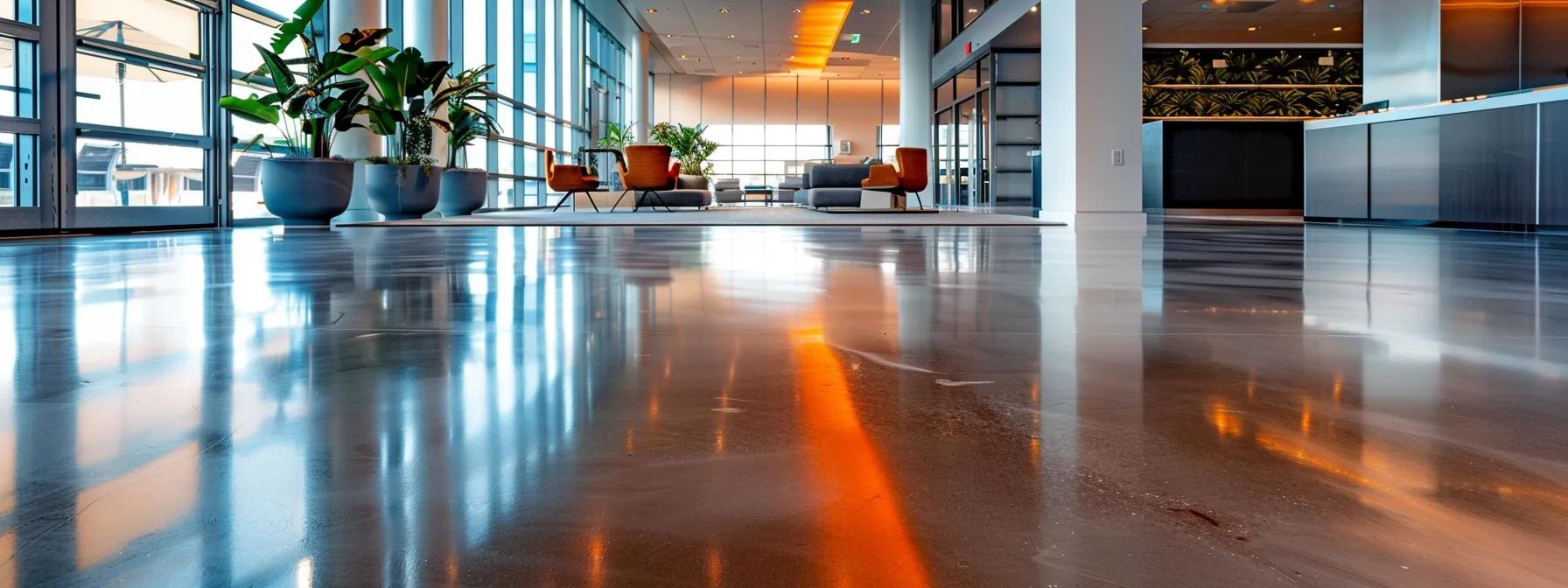
A flawless epoxy floor requires careful preparation, accurate mixing, and precise application to ensure optimal adhesion and durability.
Preparing the Concrete Substrate for Optimal Adhesion
The first step involves thoroughly preparing the concrete substrate. This means removing old coatings, grinding the surface to eliminate imperfections, and cleaning off any dirt, oil, or debris. In some cases, acid etching is used to roughen the surface, promoting a stronger bond with the epoxy.
Priming the Surface Before Epoxy Application
After preparation, a primer is applied to the concrete to boost adhesion. The primer penetrates the porous surface, enhancing the mechanical lock for the epoxy layer and reducing the risk of delamination or peeling.
Correctly Mixing Epoxy Resin and Hardener Components
The resin-to-hardener ratio is critical for the performance of an epoxy floor. Manufacturers offer detailed mixing instructions, and mechanical mixers are often used to ensure a thorough blend while eliminating air bubbles that could compromise the finish.
Applying the Epoxy Coating Evenly
The mixed epoxy is applied using rollers or squeegees for even distribution. The goal is to achieve a uniform layer without overlaps or varying thicknesses. In decorative applications, additional steps like broadcasting chips or flakes may occur during this phase.
Understanding Curing Times for Epoxy Floors
Curing is vital for achieving maximum performance. Epoxy flooring typically requires an initial set in 24 hours, with full chemical curing taking several days. During this period, traffic should be minimized and environmental conditions such as temperature and humidity should be controlled as per manufacturer guidelines.
Designing Your Space With Epoxy Flooring
Beyond functionality, epoxy flooring offers significant opportunities for creative interior design with its customizable aesthetic options.
Popular Epoxy Floor Colors to Transform Your Garage
Selecting the right color can completely change the look of a garage or concrete space. Shades like slate gray, black, blue, or red create a modern, sophisticated ambiance. High-gloss or matte finishes further enhance design flexibility.
Achieving Unique Looks With Metallic Epoxy Finishes
Metallic epoxy finishes use embedded metallic pigments to create shimmering, fluid-like patterns. This technique produces iridescent effects that mimic liquid metal or marble, making them popular for high-end residential and commercial projects.
Incorporating Decorative Flakes and Chips
Broadcasting decorative flakes into the epoxy layer creates a textured, non-slip surface that conceals imperfections while adding aesthetic interest. The multicolored flakes can be matched with other design elements to produce a custom look.
Creating Textured Epoxy Floors for Style and Grip
Textured epoxy floors incorporate additives or aggregates that enhance grip without compromising style. This method is especially beneficial in areas prone to moisture or high foot traffic, where safety and appearance must coexist.
Mimicking Natural Stone With Epoxy Terrazzo Designs
Epoxy terrazzo replicates the elegant look of traditional stone terrazzo by embedding chips of marble or glass into the epoxy. This process yields a speckled, seamless finish that offers chemical resistance, ideal for upscale residential and commercial interiors.
Maintaining Your Durable Epoxy Floor for Longevity
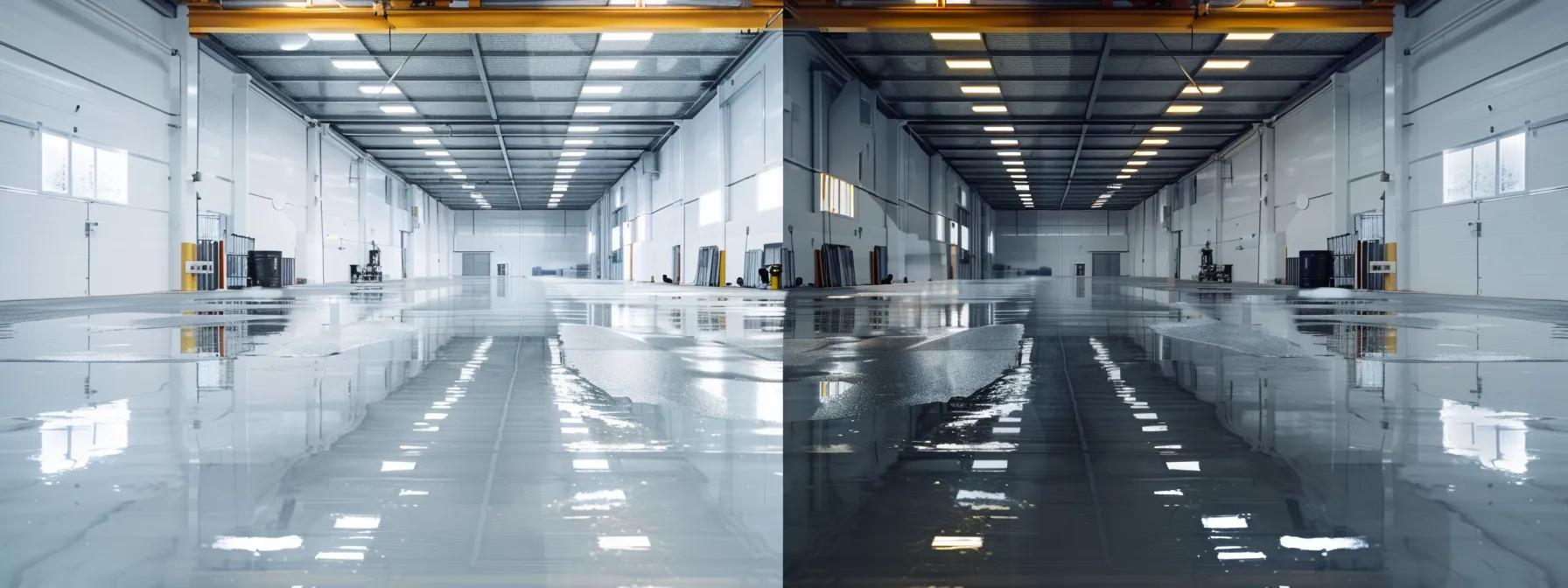
Simple, regular maintenance is key to preserving both the appearance and functionality of epoxy flooring.
Routine Cleaning Practices for Epoxy Surfaces
Regular cleaning—sweeping or vacuuming followed by mopping with pH-neutral cleaners—keeps the floor in top condition. Periodic washing with water and mild detergent helps remove stubborn stains without damaging the surface.
Addressing Spills and Stains on Your Epoxy Garage Floor
Quickly cleaning spills prevents chemical reactions between residues and the epoxy resin. A soft cloth or sponge with mild cleaning agents is usually sufficient, though specialized epoxy cleaners are available for tougher stains.
Protecting High-Traffic Areas From Wear
For areas subject to heavy use, applying a clear topcoat or sealant adds extra protection against abrasion and chipping. This sacrificial layer absorbs impacts and helps ensure the floor maintains its appearance over time.
Repairing Minor Scratches or Gouges in the Coating
Minor damage such as scratches or gouges can be repaired with light sanding and a matching epoxy repair compound. Prompt touch-ups help preserve the overall look and integrity of the floor.
Periodic Reapplication of Sealants or Topcoats
Over time, reapplying sealants or topcoats can restore the floor’s shine and protection, enhancing resistance to chemicals and abrasion while rejuvenating its aesthetics. Regular inspections and re-coating help secure the long-term value of the floor.
Table: Comparative Analysis of Epoxy Flooring Systems
Before making design and maintenance choices, it is useful to compare the various epoxy systems available. The table below summarizes their key attributes.
| Epoxy Flooring Type | Key Attribute | Primary Benefit | Typical Application |
|---|---|---|---|
| Self-Leveling Epoxy | Smooth finish | Uniform, seamless surface | Residential garages, commercial halls |
| Epoxy Mortar Floors | High compressive strength | Maximum durability under heavy loads | Industrial warehouses, heavy-duty facilities |
| Quartz-Filled Epoxy | Enhanced slip resistance | Decorative, safe finish for high-traffic areas | Retail stores, hospitals |
| Epoxy Flake Coatings | Multicolored, textured appearance | Hides imperfections, adds aesthetic appeal | Garages, showrooms, offices |
| Anti-Static Epoxy | Electrostatic dissipation | Ideal for sensitive electronics | Data centers, laboratories |
This comparison shows that each epoxy flooring system offers distinct advantages, ensuring a tailored solution for any application.
Frequently Asked Questions
Q: What is epoxy flooring?
A: Epoxy flooring is a seamless floor coating created by mixing epoxy resin with a hardener to form a durable, chemically resistant finish for concrete.
Q: How does epoxy flooring compare to other options?
A: Epoxy flooring offers superior durability, chemical resistance, and customizable aesthetics compared to traditional coatings like polyurethane, making it ideal for high-traffic or industrial applications.
Q: What steps are involved in epoxy flooring installation?
A: The process involves preparing and cleaning the concrete substrate, priming it, accurately mixing the resin and hardener, and applying the epoxy evenly before allowing it to cure.
Q: Can epoxy floors be maintained easily?
A: Yes, routine cleaning, prompt spill removal, periodic top-coat reapplications, and minor repairs keep epoxy floors in excellent condition for many years.
Q: Are there specific epoxy systems for different environments?
A: Yes, options such as self-leveling, mortar, quartz-filled, flake coatings, and anti-static variants are designed for varying applications, from residential design to heavy industrial use.
Q: How long does epoxy flooring typically last?
A: With proper installation and maintenance, epoxy flooring can last over 10 years, with many systems delivering performance for decades depending on usage and conditions.
Q: Is professional installation necessary?
A: Professional installation is advised to ensure proper substrate preparation, accurate mixing, and even application—key factors for achieving a long-lasting, visually appealing finish.
Final Thoughts
Epoxy flooring provides a blend of durability, design flexibility, and ease of maintenance that makes it an excellent choice for residential and commercial spaces alike. Understanding its chemical properties, proper installation procedures, and design options enables property owners to secure a high-performance floor that withstands heavy use while enhancing overall aesthetics. With a range of systems available—from self-leveling to anti-static epoxy—there is a tailored solution to meet diverse functional and design demands. Ultimately, investing in epoxy flooring delivers immediate benefits in safety and style, along with a long-term, cost-effective solution for maintaining pristine surfaces even under demanding conditions.